Wildfires pose an increasing threat to homes and communities across many regions. I know the worry that comes with living in areas prone to these devastating events. Protecting your property requires more than just hoping for the best. It demands a proactive approach built on informed decisions and smart planning.
As we see climate patterns shift, homeowners must adapt their strategies for safety. This means looking beyond traditional fire prevention methods. It involves integrating advanced design principles and technologies into our living spaces.
My goal today is to share practical knowledge on how to achieve wildfire resilience through smart building design. We will explore key elements that make a real difference in protecting your home from the destructive power of a wildfire. These insights can help safeguard your family and your investment.
Understanding the Wildfire Threat to Your Home
Wildfires are not just large forest fires. They involve embers carried by wind, radiant heat, and direct flame contact. Each of these elements can ignite a home. I have seen firsthand how homes built without consideration for these factors often fall victim, even when the main fire front is not directly on top of them.
The primary way homes ignite during a wildfire is often from embers. These small, burning pieces of vegetation or debris can travel great distances ahead of a fire. They can land on roofs, in gutters, or on combustible materials around your house. Understanding this ember attack is crucial for effective protection.
Radiant heat is another major culprit. Intense heat from a nearby fire can preheat materials on your home’s exterior. This can cause them to ignite even without direct flame contact. Thinking about these attack vectors helps us prepare better.
The Role of Embers in Home Ignition
Embers are truly a hidden danger. They are small and lightweight so they travel easily with the wind. I have learned that sparks can fly for miles, landing in vulnerable spots on your property. This means even if a fire starts far away, your home is still at risk.
Common ignition points for embers include roof valleys, vents, decks, and even dry landscaping close to the house. We need to focus our efforts on sealing these potential entryways and removing flammable materials. This approach reduces the chances of ember ignition significantly.
Choosing Fire-Resistant Building Materials
Selecting the right materials for your home’s exterior is a foundational step to achieve wildfire resilience through smart building design. Certain materials perform far better than others when exposed to embers, radiant heat, or direct flames. I always advise clients to prioritize these choices during construction or renovation.
Roofs are especially vulnerable to ember attack. A non-combustible roof covering is one of the most important investments you can make. Walls and siding also need protection. They should resist ignition from heat and flames.
Roofing Materials for Wildfire Protection
When it comes to roofing, class A rated materials offer the highest level of fire resistance. These include concrete or clay tiles, metal roofing, and asphalt fiberglass shingles. Each option provides a strong barrier against embers and radiant heat.
I find that metal roofs are an excellent choice because they are non-combustible and durable. Clay and concrete tiles also provide great protection, but they need proper installation to prevent embers from entering gaps. Asphalt shingles offer a more affordable class A option. They are widely available and relatively easy to install. We must ensure any roofing choice is correctly installed to maximize its protective qualities.
Fire-Resistant Siding and Exterior Walls
Your home’s siding forms a significant part of its exterior defense. Materials like fiber cement, stucco, and treated lumber products offer superior resistance to fire. These options do not ignite easily or contribute to fire spread.
Fiber cement siding is a popular choice. It is durable, low maintenance, and highly fire-resistant. Stucco offers a robust, non-combustible exterior. We can also use fire-retardant treated wood or ignition-resistant decking materials for added safety. Avoiding vinyl siding near ground level is smart because it can melt and expose combustible sheathing underneath. When you want to truly get the insights for a resilient home, every material choice counts.
Creating a Defensible Space Around Your Property
Smart building design extends beyond the house itself. It includes the immediate surroundings. Establishing a defensible space is paramount to achieve wildfire resilience through smart building design. This means modifying the landscape around your home to reduce fire hazards.
A well-maintained defensible space slows or stops the spread of wildfire. It also creates a safer zone for firefighters. I explain to homeowners that this space is usually divided into zones, each with specific requirements for vegetation management.
The closer you get to your home, the more rigorous the fuel reduction needs to be. This strategy buys critical time for protection efforts. It helps prevent fire from reaching your structures.
Zone 1: Immediate Home Perimeter
Zone 1 is the most critical area. It extends 0 to 5 feet from your home. Within this zone, I strongly recommend using only non-combustible materials. This means no flammable mulch, dry vegetation, or firewood stacks. Clear this zone of anything that can easily burn.
Replace combustible plants with hardscaping such as concrete patios, gravel paths, or rock gardens. Ensure your deck and patio are clear of debris. Remove dead leaves from gutters and keep them clean. We want to eliminate any fuel source here.
Zone 2: Intermediate Area Management
Zone 2 stretches from 5 to 30 feet from your home. Here, the goal is to create a lean, clean, and green landscape. Reduce the density of vegetation. Prune trees to remove low-hanging branches and space them out. Shrubs should also be well-maintained and kept away from the house.
Choose fire-resistant plants that retain moisture well. Avoid plants with high oil content. Regularly remove dead leaves, grass, and debris from this area. This zone acts as a buffer, slowing fire intensity before it reaches your home.
Zone 3: Extended Perimeter for Fuel Reduction
Zone 3 typically covers 30 to 100 feet from your home, sometimes more depending on the terrain and vegetation. The focus here is on reducing the amount of fuel. Thin out dense stands of trees and remove small, highly flammable trees and shrubs.
Maintain proper spacing between tree crowns. Clear out ladder fuels, which are smaller plants that allow fire to climb into larger trees. This outer zone reduces the fire’s speed and intensity. It helps prevent crown fires, which are extremely difficult to control.
Integrating Smart Home Technology for Early Detection and Response
Technology plays an increasingly important role in wildfire preparedness. Smart building design can incorporate systems that offer early detection and automated responses. These systems can provide precious minutes or even hours to act.
I believe these technological advancements are becoming essential for homeowners in high-risk areas. They provide an extra layer of security. This helps achieve wildfire resilience through smart building design in a very modern way.
Smart Sensors and Monitoring Systems
Today’s smart homes can include sensors that detect smoke, heat, and even abnormal air quality changes. These sensors can alert you and emergency services immediately if a threat is detected. Some systems even use advanced AI to differentiate between a cooking mishap and an actual fire threat.
Integrating these systems with your home network means you can receive alerts on your phone. You can also monitor your property remotely. This offers peace of mind when you are away from home. We are moving towards truly intelligent protection.
Automated Fire Suppression Features
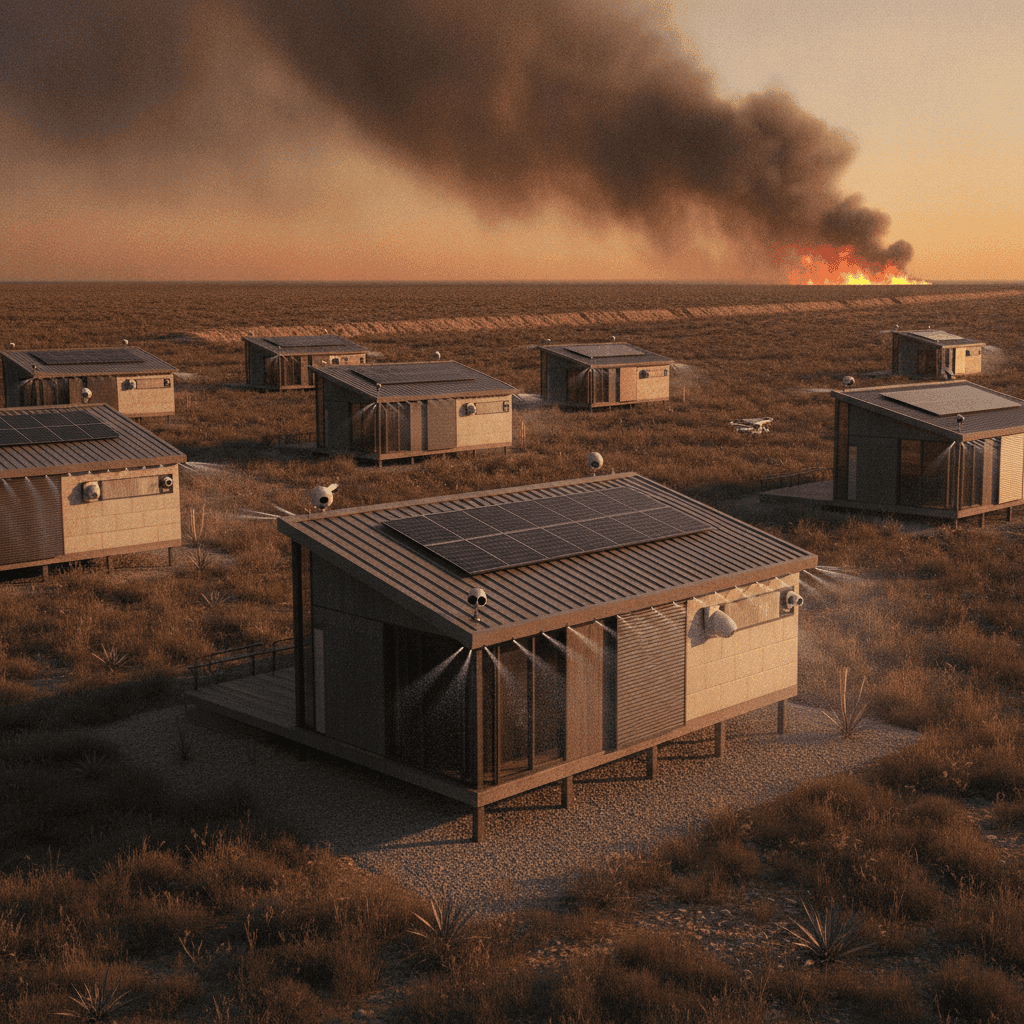
Beyond detection, smart technology can enable automated responses. For instance, some advanced sprinkler systems can be activated remotely or automatically by fire sensors. These systems are designed to wet the perimeter of your home during an approaching wildfire.
Other innovations include vents that automatically close to prevent ember entry. Smart vents can also have fine mesh screens to block embers. These automated features can make a significant difference in saving a home when time is of the essence.
Ongoing Maintenance and Community Engagement
Achieving wildfire resilience through smart building design is not a one-time project. It requires continuous effort and community involvement. Regular maintenance of your home and defensible space is vital. It keeps your property in a state of readiness.
I emphasize to homeowners that even the best design choices can be undermined by neglect. We must remain vigilant. Our collective safety also depends on how well neighbors work together.
Seasonal Maintenance Tasks
Every season brings new maintenance tasks for wildfire preparedness. In the fall, clearing gutters of leaves and debris is crucial. Winter means inspecting heating systems and chimneys. Spring is for pruning trees and clearing dead vegetation after the growing season.
Summer requires constant vigilance against dry grass and brush. Regularly check and maintain your irrigation systems if you have them. Always keep an eye on your defensible space. Small tasks done consistently make a big difference.
Building a Fire-Adapted Community
Individual efforts are powerful, but community-wide action is even stronger. Engaging with your neighbors and local fire departments helps create a fire-adapted community. Share best practices and organize community clean-up days. Support local initiatives for fuel reduction in shared spaces.
A unified approach strengthens everyone’s protection. Fire doesn’t respect property lines. When we work together, we create a safer environment for all. It truly takes a village to achieve lasting wildfire resilience.
Conclusion on Wildfire Resilience
I know the topic of wildfires can be daunting for many homeowners. It truly is a serious challenge that requires careful thought and strategic planning. We have covered several key aspects today on how to achieve wildfire resilience through smart building design. From selecting fire-resistant materials for your roof and siding to meticulously creating a defensible space around your property, each step plays a critical role in safeguarding your home. We also discussed the emerging importance of smart home technology, offering new layers of detection and automated response. This is not a task for just one day. It requires ongoing maintenance and a strong commitment to community safety. By implementing these practical strategies, you are not just reacting to a threat. You are proactively building a more secure future for your family and your property. I encourage you to assess your home’s current vulnerability. Take action today to make these vital improvements. Your efforts can make all the difference when wildfire strikes. Start now to enhance your home’s resilience and contribute to a safer community for everyone.